
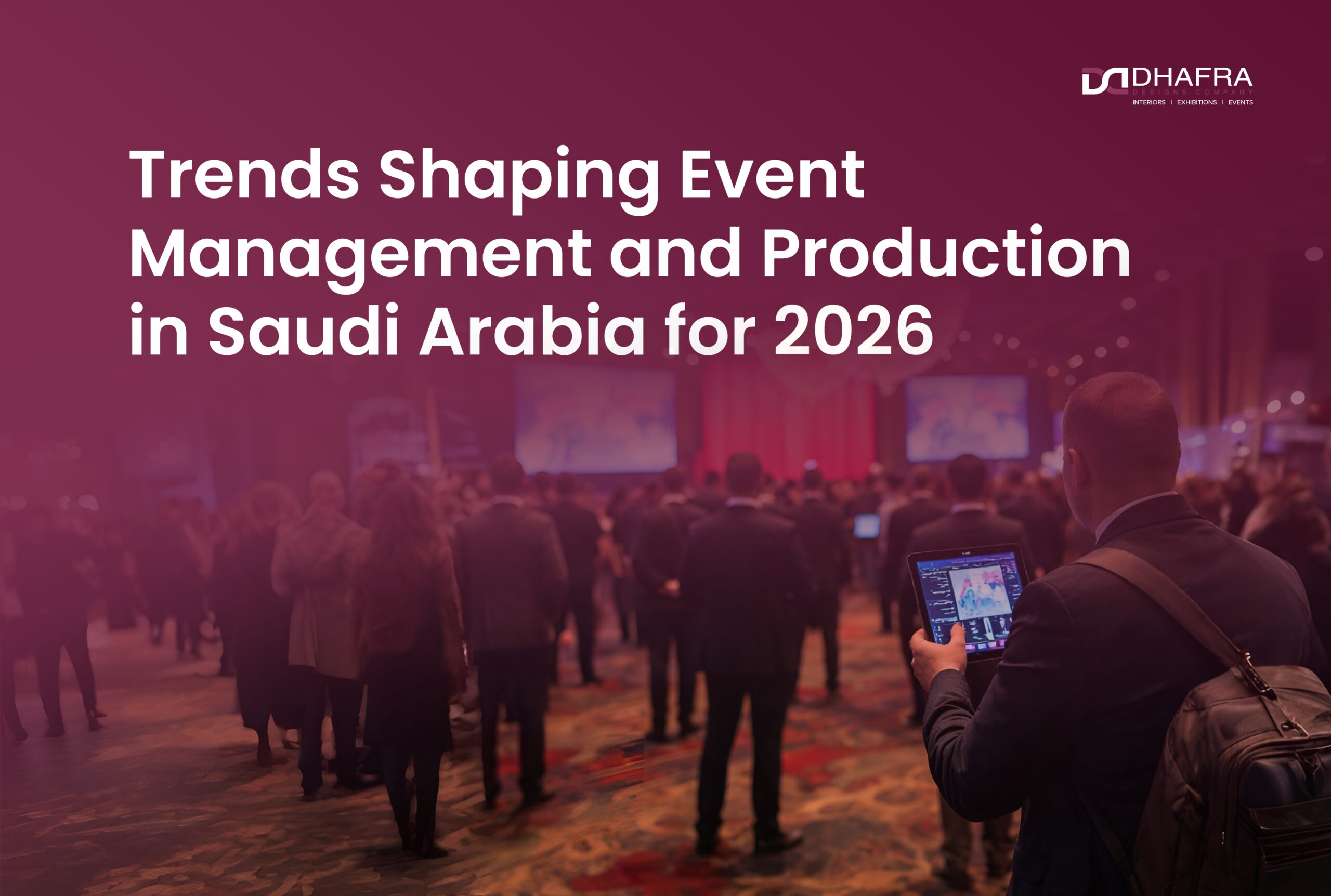
Saudi Arabia’s events industry is entering a transformative phase in 2026. Backed by ambitious national initiatives, growing international partnerships, and a rapidly expanding entertainment sector, the Kingdom is redefining how events are conceptualized, produced, and experienced. From mega expos and global conferences to cultural festivals and corporate gatherings, the focus has shifted toward innovation, sustainability, and immersive audience engagement.
As businesses and organizers look to collaborate with professional event management companies in saudi arabia , understanding the trends shaping the industry this year is essential for staying competitive and delivering memorable experiences.
1. Vision-Driven Growth and Mega Events
Saudi Arabia’s Vision 2030 continues to fuel unprecedented growth in the events landscape. Government-backed initiatives and giga-projects such as NEOM, Red Sea Project, and Qiddiya are not only reshaping tourism and entertainment but also creating demand for world-class exhibitions, trade shows, and cultural events.
In 2026, event production is closely aligned with these large-scale developments. Organizers are expected to deliver high-end, globally competitive experiences that reflect Saudi Arabia’s modern identity while celebrating its cultural heritage. Large venues, hybrid formats, and high production standards are now the norm rather than the exception.
2. Hybrid and Phygital Experiences
While in-person events have regained momentum, hybrid formats remain a powerful component of event strategies. In 2026, the focus is on “phygital” experiences — seamlessly blending physical and digital engagement.
Advanced live streaming, real-time audience interaction tools, and virtual networking lounges are being integrated into conferences and exhibitions. This approach not only expands reach beyond geographic limitations but also enhances data collection and audience insights.
Event production teams are investing in high-quality AV technology, immersive LED setups, and interactive digital installations to create multi-sensory experiences. The goal is simple: ensure that both on-site and remote participants feel equally engaged and valued.
3. Sustainability as a Core Strategy
Sustainability is no longer a buzzword; it is a business requirement. In 2026, eco-conscious event planning has become central to production strategies across the Kingdom.
Organizers are prioritizing:
Eco-friendly venue designs
Digital ticketing and paperless communication
Recyclable staging materials
Energy-efficient lighting systems
Waste reduction initiatives
Clients increasingly expect environmentally responsible practices, especially for international conferences and corporate events. Sustainable sourcing, local supplier partnerships, and carbon footprint tracking are becoming key differentiators in selecting the best event management saudi arabia.
4. Technology-Driven Event Production
Cutting-edge technology continues to redefine event experiences. Artificial intelligence, augmented reality (AR), and virtual reality (VR) are playing larger roles in 2026 event design.
AI-powered tools are being used for:
Smart registration and facial recognition check-ins
Personalized event agendas
Predictive analytics for audience engagement
Automated post-event reporting
Meanwhile, AR and VR installations are transforming exhibitions into immersive brand journeys. Attendees can explore 3D product demonstrations, virtual site tours, and interactive storytelling experiences.
Drone shows and synchronized lighting displays are also becoming popular alternatives to traditional fireworks, particularly at large public celebrations and national events.
5. Rise of Experiential Marketing
Modern audiences seek experiences rather than passive participation. This shift is driving event planners to design immersive, story-driven concepts that evoke emotion and encourage social sharing.
Experiential marketing in 2026 often includes:
Branded pop-up activations
Interactive art installations
Live performances integrated into corporate launches
Multi-sensory product demonstrations
Events are increasingly designed with social media in mind, featuring visually striking elements that encourage attendees to capture and share their experiences online. This organic amplification boosts brand visibility far beyond the event venue.
6. Cultural Integration and Local Identity
Saudi Arabia’s rich cultural heritage plays a central role in event themes and production design. In 2026, organizers are blending modern aesthetics with traditional elements to create uniquely Saudi experiences.
From incorporating regional architecture and Arabic calligraphy into stage designs to featuring local artists and performers, events are becoming powerful platforms for cultural storytelling. National celebrations, heritage festivals, and business summits alike are embracing authentic Saudi identity while maintaining international standards.
This cultural integration also strengthens emotional connections with local audiences and enhances the Kingdom’s image on the global stage.
7. Increased Focus on Corporate and MICE Events
The Meetings, Incentives, Conferences, and Exhibitions (MICE) sector continues to expand rapidly. Saudi Arabia is positioning itself as a premier business hub in the Middle East, attracting multinational corporations and global associations.
In 2026, corporate events emphasize strategic networking, knowledge exchange, and business matchmaking. Organizers are designing curated networking sessions, AI-powered meeting scheduling tools, and exclusive VIP experiences to enhance value for participants.
Purpose-built convention centers and upgraded hospitality infrastructure across Riyadh, Jeddah, and other key cities are supporting this growth, enabling large-scale international conferences to be hosted seamlessly.
8. Talent Development and Saudization
As the industry grows, so does the demand for skilled professionals in event planning, technical production, stage design, and logistics management. In line with national workforce initiatives, 2026 sees increased investment in training programs and local talent development.
Event companies are collaborating with educational institutions and international experts to upskill Saudi professionals. This ensures sustainable industry growth while building a strong domestic talent pipeline.
9. Data-Driven Decision Making
Data analytics has become an indispensable tool in event management. Organizers are leveraging real-time feedback, attendee behavior tracking, and performance metrics to refine event strategies.
From analyzing footfall patterns at exhibitions to measuring engagement rates during keynote sessions, data allows planners to optimize layouts, improve content programming, and maximize return on investment for clients.
Post-event reports are now more comprehensive, providing detailed insights into audience demographics, engagement levels, and sponsorship impact.
The event management and production landscape in Saudi Arabia for 2026 is defined by innovation, sustainability, and immersive engagement. With mega projects shaping the national narrative, advanced technologies enhancing audience experiences, and cultural authenticity adding depth to every gathering, the Kingdom is emerging as a global leader in event excellence.
As expectations continue to rise, event professionals must adapt to evolving trends, integrate advanced tools, and maintain a strong commitment to quality and creativity. The future of events in Saudi Arabia is not just about hosting gatherings — it’s about crafting transformative experiences that leave a lasting impact on attendees and the nation’s global reputation alike.
FAQS
For major conferences or public events, it’s recommended to start the SCEGA permit process at least 4–8 weeks in advance. Larger events involving international speakers, exhibitions, or government entities may require additional approvals, so early planning helps avoid delays and ensures full compliance with local regulations.
One of the biggest budgeting mistakes is underestimating production and technical costs. Many organizations focus heavily on venue and catering while overlooking staging, audiovisual requirements, logistics, permits, and contingency funds. A detailed budget breakdown with a buffer for unexpected expenses is essential for smooth execution.
Yes, event planning and production services typically extend across major cities including Riyadh and Jeddah. With strong local vendor networks and logistical expertise in both regions, events can be executed seamlessly regardless of location.
Events that are public-facing, ticketed, involve exhibitions, international participation, or large-scale gatherings often require SCEGA approval. This may include conferences, trade shows, product launches, and industry expos. Private internal meetings may not always require permits, but it’s advisable to verify requirements based on the event scope and venue.
Popular Posts
- All Posts

Blog Category
Yoga Challenges & Routines
Get curated yoga App, and get offers, and event invites to support your practice.