Government Office Interior Decorating Ideas for a Professional and Functional Workspace
Designing a government office is not just about aesthetics—it directly impacts productivity, public perception, and operational efficiency. In Saudi Arabia, where government institutions are rapidly modernizing under Vision 2030, office interiors must reflect professionalism, cultural identity, and functionality. Many organizations struggle to balance formal design with employee comfort and workflow efficiency. Poor layouts, outdated furniture, and lack of thoughtful design can reduce productivity and create a negative impression on visitors. About Government Office Interior Decorating Government office interior decorating focuses on creating structured, efficient, and professional environments that support administrative functions while maintaining a strong public image. Unlike corporate spaces, government offices must balance: Formality and accessibility Durability and aesthetics Functionality and compliance In Saudi Arabia, this also includes incorporating cultural elements, ensuring privacy where required, and adapting to hierarchical workflows. From reception areas to executive offices and public service counters, each space must serve a clear purpose while maintaining consistency in design. Key elements include: Ergonomic furniture for long working hours Organized layouts for workflow efficiency Neutral yet authoritative color palettes Durable materials suited for high usage Smart storage solutions to reduce clutter A well-decorated government office is not just visually appealing—it becomes a tool for better governance. Why Choose Professional Expertise Designing government offices requires more than creativity—it demands deep understanding of operations, compliance, and user behavior. At Dhafra Designs, our extensive industry experience has shown us that every government project comes with unique challenges. We have worked on administrative buildings, public service centers, and institutional offices, delivering designs that are both practical and future-ready. What Sets Us Apart Real-World Experience We don’t rely on trends alone. Our designs are based on hands-on project execution across Saudi Arabia. Understanding Government Needs We understand security requirements, workflow hierarchies, and public interaction zones. Local Expertise We incorporate Saudi cultural values, climate considerations, and regulatory standards. End-to-End Solutions From concept to execution, we handle every stage with precision and accountability. Focus on Functionality Every design decision is made to improve efficiency, not just appearance. Key Government Office Interior Decorating Ideas 1. Create a Structured Layout A clear and organized layout improves workflow and reduces confusion. Separate zones for: Public interaction Staff workstations Management offices This ensures smooth operations and privacy where needed. 2. Use Neutral and Professional Colors Government offices should reflect authority and trust. Best choices include: Beige Grey White Muted blues Avoid overly bright colors as they can reduce professionalism. 3. Invest in Ergonomic Furniture Employees spend long hours at desks. Poor furniture leads to fatigue and reduced productivity. Use: Adjustable chairs Proper desk heights Anti-fatigue flooring in service areas 4. Optimize Lighting Lighting directly impacts productivity and mood. Combine: Natural light wherever possible LED task lighting Soft ambient lighting Avoid harsh fluorescent lighting. 5. Smart Storage Solutions Government offices deal with large volumes of documents. Use: Built-in cabinets Modular storage systems Digital storage integration This keeps spaces clutter-free and efficient. 6. Incorporate Technology Modern government offices must support digital transformation. Include: Smart meeting rooms Digital display systems Cable management solutions 7. Design Functional Reception Areas The reception is the first point of contact. It should be: Organized Comfortable Easy to navigate Add clear signage and waiting areas. 8. Ensure Privacy and Security Confidentiality is critical in government offices. Use: Acoustic panels Partition systems Controlled access areas 9. Add Cultural Elements In Saudi Arabia, incorporating local identity enhances connection. Use: Subtle Arabic patterns Traditional textures Minimal cultural accents 10. Focus on Sustainability Sustainable design reduces operational costs and supports environmental goals. Use: Energy-efficient lighting Eco-friendly materials Ventilation systems Benefits of a Well-Designed Government Workspace Improved Productivity Employees work more efficiently in organized and comfortable environments. Better Public Experience Visitors feel confident and respected in well-designed spaces. Enhanced Professional Image A modern office reflects transparency, efficiency, and trust. Long-Term Cost Savings Durable materials and smart design reduce maintenance costs. Employee Well-Being Ergonomic and well-lit spaces improve morale and reduce fatigue. Operational Efficiency Clear layouts streamline workflows and reduce delays. Process: How Government Office Interior Design Works Step 1: Requirement Analysis We begin by understanding: Office functions Staff requirements Visitor flow Compliance needs Step 2: Space Planning We create layouts that maximize space efficiency and workflow. Step 3: Concept Design We develop design themes aligned with government standards and brand identity. Step 4: Material Selection We choose durable, high-quality materials suitable for long-term use. Step 5: Execution and Fit-Out Our team ensures precise implementation with minimal disruption. Step 6: Final Review and Handover We test functionality and ensure everything meets expectations. Conclusion Government office interior decorating is not just about creating a visually appealing space—it is about building an environment that supports efficiency, professionalism, and public trust. From structured layouts and ergonomic furniture to cultural integration and modern technology, every element plays a critical role in shaping a productive workspace. Dhafra Designs delivers tailored solutions that meet the unique demands of government institutions in Saudi Arabia. If you’re planning to upgrade or design a government office, partner with experts who understand both design and functionality. Contact Dhafra today to create a workspace that truly works. FAQs What is the most important factor in government office design? Functionality is the top priority. The design must support workflow efficiency while maintaining professionalism. How can small government offices be optimized? Use modular furniture, vertical storage, and open layouts to maximize limited space. Are modern designs suitable for government offices in Saudi Arabia? Yes, but they should be balanced with cultural elements and formal aesthetics. How long does a government office interior project take? It depends on size and complexity, but most projects range from 4 to 12 weeks. Why is ergonomic furniture important in offices? It improves employee comfort, reduces health issues, and increases productivity. Tags : Uncategorized Share This : Popular Posts All Posts Government Office Interior Decorating Ideas… May 8, 2026 Event Management companies in Saudi… May 4, 2026 From Empty Floor to Powerful… April 30, 2026 Your Commercial Interior Design Speaks… April 25, 2026 Blog Category Uncategorized Yoga Challenges &
Event Management companies in Saudi Arabia: A Complete 2026 Guide to Planning Successful Events
Planning a successful event in today’s competitive market requires more than booking a venue and sending invitations. Whether it is a corporate conference, product launch, trade show, luxury wedding, or exhibition, professional execution makes all the difference. This is why many businesses and individuals rely on experienced event management companies in Saudi Arabia to handle every detail with precision. Saudi Arabia has become one of the fastest-growing destinations for international exhibitions, conferences, business summits, and luxury private events. With Vision 2030 driving massive investments in tourism, entertainment, and business events, the demand for professional event planning services continues to rise. Choosing the right partner among the best event management Saudi Arabia providers can save time, reduce costs, improve guest experience, and ensure your event creates lasting impact. AtDhafra, we understand the challenges businesses face when planning high-value events. With years of hands-on industry experience, we help clients create memorable, organized, and result-driven events across the Kingdom. What Are Event Management Companies in Saudi Arabia? Event management companies in Saudi Arabia specialize in planning, organizing, and executing events of all sizes. These companies manage everything from concept development to final execution. Their services often include: Event concept and theme development Venue selection and booking Exhibition stand design Vendor coordination Guest management Registration systems AV and technical support Stage production Catering coordination Branding and promotional materials On-site event management Post-event reporting These services are essential for businesses hosting: Corporate conferences Trade exhibitions Product launches Award ceremonies Government events Luxury weddings Entertainment festivals VIP networking events The role of event management companies in KSA has become more important because modern events demand international standards, strong logistics, and flawless execution. Why Professional Event Planning Matters in 2026 Saudi Arabia’s event industry has changed significantly over the past few years. Large-scale projects, international investors, tourism growth, and government initiatives have created a highly competitive environment. Today, poorly managed events can damage brand reputation, while professionally managed events can generate strong business growth. Key Reasons Professional Event Planning Matters 1. Higher Guest Expectations Attendees now expect smooth registration, premium experiences, strong branding, and flawless coordination. 2. Corporate Reputation Your event reflects your brand. A well-organized event builds trust and authority. 3. Budget Efficiency Experienced planners help avoid hidden costs, poor vendor choices, and unnecessary spending. 4. Regulatory Compliance Saudi Arabia requires permits, approvals, and local compliance standards for many public and business events. 5. Better ROI Professional event execution improves lead generation, networking opportunities, and business conversions. This is why working with the best event management Saudi Arabia providers is now a strategic business decision rather than a luxury. Why Choose Dhafra Choosing the right event partner is one of the most important decisions for event success. At Dhafra, We bring real-world experience in event planning, exhibition management, and corporate event execution across Saudi Arabia. Our Expertise We understand both local market requirements and international event standards. Our team has successfully managed: High-profile corporate summits Government exhibitions Luxury brand launches Trade show booth activations Hospitality events VIP networking events Large-scale conferences What Makes Us Different Deep Industry Experience Our practical experience allows us to solve challenges before they become problems. Full-Service Solutions From strategy to execution, we handle every stage under one roof. Strong Vendor Network We work with trusted suppliers, venues, designers, and technical teams across Saudi Arabia. Customized Event Planning Every event is designed based on client goals, audience, and budget. Reliable Project Management Deadlines, budgets, and quality standards remain our top priorities. Our goal is simple: deliver events that create results, not just decoration. Benefits of Hiring Event Management Companies in KSA Hiring professional event planners provides long-term value beyond convenience. 1. Saves Time Managing vendors, logistics, and approvals takes significant time. Professionals handle it efficiently. 2. Reduces Risk Experienced planners identify potential problems early and provide fast solutions. 3. Stronger Brand Presentation From stage design to guest experience, every detail reflects your brand image. 4. Better Vendor Negotiation Established companies often secure better rates from suppliers and venues. 5. Professional Guest Experience Smooth registration, hospitality, and event flow improve attendee satisfaction. 6. Access to Creative Ideas Experienced teams bring fresh concepts, engagement strategies, and innovation. 7. Higher Business Impact Better event planning leads to stronger networking, more leads, and better event ROI. This is why many businesses prefer working with event management companies in Saudi Arabia rather than managing events internally. Step-by-Step Event Management Process A successful event follows a structured planning system. Step 1: Understanding Client Goals The first step is understanding the purpose of the event. Questions include: Is the goal lead generation? Brand awareness? Product launch? Investor relations? Government networking? Clear objectives guide the full strategy. Step 2: Budget Planning Budget planning helps prioritize spending and avoid surprises. This includes: Venue costs Production costs Exhibition design Guest services Catering Marketing materials Technical equipment Step 3: Venue Selection The venue must match the event type, audience size, accessibility, and brand positioning. Popular locations include Riyadh, Jeddah, Dammam, and major exhibition centers. Step 4: Concept and Design This includes: Event theme Branding strategy Stage design Exhibition booth design Guest journey planning Strong visual identity improves event impact. Step 5: Vendor Coordination Professional planners manage suppliers including: Decor teams Technical crews Lighting providers Sound engineers Catering partners Printing vendors Step 6: Marketing and Guest Management This includes: Invitations Registration systems VIP management Attendee tracking Event promotion Step 7: On-Site Execution This is where professional management matters most. Live supervision ensures: Timely setup Smooth coordination Fast problem solving Guest satisfaction Step 8: Post-Event Reporting After the event, analysis helps improve future performance. This includes: Attendance reports Lead tracking ROI measurement Client feedback This complete structure is what separates professional event management companies in KSA from basic event coordinators. FAQs What do event management companies in Saudi Arabia do? They plan, organize, and execute events such as conferences, exhibitions, weddings, product launches, and corporate functions. Services include venue booking, logistics, branding, vendor management, and on-site coordination. How do I choose the best event
From Empty Floor to Powerful Brand Showcase: How Dhafra Designs Built LATICRETE’s Immersive Experience Center in Jeddah
In just 6 weeks, Dhafra Designs transformed a blank industrial floor at LATICRETE’s Jeddah facility into a fully functional, high-impact Experience Center that educates, inspires, and closes deals. This turnkey project showcases how strategic design and flawless execution can turn a simple space into a powerful sales and marketing tool for one of the world’s leading construction solutions companies. Client: LATICRETE International Location: Jeddah, Saudi Arabia Project Type: Brand Experience Center Timeline: 6 weeks (100% on-time handover) Scope: Full turnkey delivery – Consultation, Design, Build & Maintenance The Challenge: Creating a Space That Sells Technical Excellence LATICRETE International is globally recognized for its premium tile installation systems, waterproofing membranes, grouts, and stone care solutions. However, in a competitive Saudi market aligned with Vision 2030’s massive construction boom, the company needed more than just a showroom. They required a dedicated Experience Center where: Contractors could see live product performance Architects could evaluate technical specifications End clients could visualize premium finishes The space had to educate visitors while subtly guiding them toward confident purchasing decisions. LATICRETE chose Dhafra Designs to handle the entire project from concept to completion. Our Six-Phase Methodology: Transparency from Day One At Dhafra Designs, we follow a disciplined six-phase process that eliminates surprises and ensures every project delivers measurable business value: Consultation – Deep discovery and brand alignment Planning – Visitor journey and spatial zoning 3D Design – Photorealistic visualization Technical – Detailed engineering and coordination Build – Precision construction and fit-out Handover – Training, documentation, and ongoing maintenance This structured approach was critical for the LATICRETE project, where technical accuracy and brand consistency were non-negotiable. Phase 1: Consultation – Listening Before Drawing a Single Line We began with intensive workshops involving LATICRETE’s brand, marketing, and technical teams. Our goal was to understand the different visitor profiles and design a space that serves each one perfectly. We mapped visitor journeys for contractors seeking installation proof, architects evaluating performance data, and clients looking for visual inspiration. Site audits were conducted to assess existing power, HVAC, lighting, and structural constraints. Clear KPIs were established, including target dwell times and messaging hierarchy. This early alignment ensured the final design would genuinely support LATICRETE’s sales and education objectives. Phase 2: Space Planning – Engineering the Visitor Experience The center was strategically divided into four distinct zones that create a natural progression: Welcome Reception – First impression and brand storytelling Wet Area Demonstration Zone – Live tile installation and waterproofing demos Product Wall – Curated display of LATICRETE’s complete portfolio Private Consultation Room – High-value client meetings Circulation paths were carefully planned so visitors naturally move from awareness → demonstration → discovery → consultation. The space itself becomes a silent salesperson, even when the team is occupied elsewhere. Phase 3: 3D Visualization – Seeing It Before It’s Built Before any physical work began, we delivered photorealistic 3D renders and walkthroughs. Lighting was simulated to match real Jeddah daylight conditions, and every material and product display was shown exactly as it would appear after completion. This phase gave LATICRETE complete confidence in the design. Client approval was swift and enthusiastic, with zero scope creep or last-minute changes — a common pain point in traditional fit-out projects. Phase 4: Technical Drawings & Coordination Our engineering team produced comprehensive technical packages, including reflected ceiling plans, section details, MEP layouts, and millwork shop drawings. Special attention was given to the Wet Demo Zone, where waterproofing and drainage systems were designed using LATICRETE’s own high-performance products. All drawings were coordinated with mechanical and electrical consultants and reviewed by LATICRETE’s technical team, ensuring perfect integration and compliance. Phase 5: Construction & Fit-Out – Precision Execution The build phase was executed with military precision. Weekly progress reports with photographic evidence kept the client fully informed — something LATICRETE’s facilities team said they had rarely experienced with other contractors. Custom product display units, backlit panels, and the centerpiece wet demonstration station were fabricated in our partner workshop, quality-checked off-site, and installed without any rework. The result: zero delays and zero post-handover snags. Phase 6: Handover & Ongoing Support Handover included a comprehensive walkthrough, staff training on maintenance protocols, and a complete documentation package with as-built drawings and warranties. Dhafra Designs also provides a long-term maintenance agreement to ensure the Experience Center always remains in pristine showroom condition, protecting LATICRETE’s investment for years to come. Project Outcomes: A Space That Delivers Real Business Value The LATICRETE Experience Center in Jeddah has exceeded expectations: 100% on-time delivery within 14 weeks Four distinct, high-performing visitor zones Zero snags reported after handover Significant increase in architect and contractor visits The Wet Demo Zone has become the most powerful sales tool in their Saudi operations The space now successfully educates visitors while reinforcing LATICRETE’s reputation for technical excellence and innovation. Client Testimonial “We needed a partner who could translate our brand’s technical credibility into a space that inspires confidence. Dhafra Designs delivered exactly that — on time, on budget, and beyond expectation.” — Regional Management, LATICRETE International, Jeddah, KSA Why Experience Centers Matter in Saudi Arabia’s Construction Sector With Vision 2030 driving unprecedented growth in infrastructure and real estate, brands like LATICRETE understand that technical superiority alone is not enough. Today’s clients and specifiers want to see, touch, and experience products in real conditions before making decisions. A well-designed Experience Center delivers exactly that — turning passive visitors into confident advocates and loyal customers. Ready to Create Your Own High-Performance Space? At Dhafra Designs, we specialize in designing and building Experience Centers, exhibition stands, commercial interiors, and event spaces across Saudi Arabia that don’t just look impressive — they actively drive business results. Whether you need a product demonstration facility, a flagship showroom, or a complete brand environment, our six-phase process ensures transparency, quality, and measurable outcomes. Let’s build a space that works as hard as you do. Request a free consultation – we respond within 24 hours. Tags : Uncategorized Share This : Popular Posts All Posts From Empty Floor to Powerful… April 30,
Your Commercial Interior Design Speaks Volumes About Your Company — What will Yours Say?
Step into any successful office, retail store, or showroom in Saudi Arabia today, and you’ll notice something immediately—it doesn’t just look good, it communicates something Before a word is spoken… Before a meeting begins… Before a product is even explained… Your space has already made an impression. And in today’s competitive market, that first impression can quietly determine whether you win or lose a client. The Silent Language of Commercial Interiors Most businesses underestimate how much their physical space is “talking” to their customers. A well-designed commercial interior tells your client: * This company is professional * This brand is established * This business pays attention to detail On the other hand, a poorly planned space can unintentionally signal the opposite—no matter how strong your actual service or product is. This is why commercial interior design in Saudi Arabia is no longer just about aesthetics. It’s about strategic communication First Impressions Are No Longer Optional In a rapidly evolving business environment driven by Vision 2030, clients, investors, and partners expect more. They expect: * Thoughtfully designed offices * Engaging retail environments * Premium showroom experiences Because today, people don’t just evaluate your offering— They evaluate the environment in which you present it. What Your Space Might Be Saying (Without You Realizing It) Many companies invest heavily in branding, marketing, and sales—yet overlook the one thing every client physically experiences: their space. Consider this: * An outdated office layout can suggest stagnation * A cluttered retail store can reduce trust and interest * A generic showroom can make even premium products feel average Meanwhile, a strategically designed space can: * Build instant credibility * Guide customer behavior naturally * Highlight your strengths without “selling” * Create a lasting brand impression This is where professional interior fit-out services in Saudi Arabia make a measurable difference. Why Smart Businesses Are Investing in Commercial Interiors Now Across Saudi Arabia, forward-thinking companies are reimagining their spaces—not as expenses, but as business tools They are leveraging commercial interiors in Saudi Arabia to * Improve employee performance and satisfaction * Increase customer engagement and dwell time * Strengthen brand identity * Drive higher conversion rates Because when your space works for you, every interaction becomes more effective. Office Interiors That Drive Performance The modern workplace is no longer about desks and walls—it’s about experience. Businesses investing in office interior design in Saudi Arabia are focusing on: * Collaborative yet efficient layouts * Smart use of space and lighting * Employee-centric environments * Professional yet inspiring aesthetics The result? Teams perform better, clients feel more confident, and businesses operate more efficiently. Retail & Showroom Design That Sells Without Speaking In retail and showroom environments, design is directly linked to revenue. Every element—from layout to product placement—affects how customers behave. Companies working with expert retail interior design companies in Saudi Arabia are seeing: * Increased footfall * Higher customer engagement * Better product visibility * Improved sales conversions Because when design is done right, your space starts selling for you Execution: Where Vision Becomes Reality Even the best ideas can fail without proper execution. Choosing the right **interior fit-out contractor in Saudi Arabia** ensures: * Precision in design implementation * High-quality materials and finishes * Timely project completion * Cost efficiency and transparency This is why more businesses are turning to end-to-end interior fit-out companies in Saudi Arabia that handle everything seamlessly. A Growing Market with Strong Opportunity Saudi Arabia’s commercial sector is expanding rapidly, with new businesses, brands, and concepts entering the market every day. In such an environment, differentiation is critical. Your space is no longer just where you operate— It’s how you stand out. What Do You Want Your Space to Say? At our company, we specialize in commercial interior design and fit-out in Saudi Arabia creating spaces that don’t just look impressive—but perform with purpose. From offices and retail stores to showrooms and exhibition environments, we deliver: * Strategic design thinking * High-impact visual concepts * End-to-end execution * Results-driven spaces Because in today’s market, your interior is not just a backdrop— It’s a business statement. Start the Conversation Before you invest in your next space, ask yourself one simple question: What is your current space saying about your business? Tags : Uncategorized Share This : Popular Posts All Posts Your Commercial Interior Design Speaks… April 25, 2026 Saudi Arabia’s Events & Exhibition… April 21, 2026 Top Saudi Arabia Interior Design… April 13, 2026 Experience center for your products… March 24, 2026 Blog Category Uncategorized Yoga Challenges & Routines Get curated yoga App, and get offers, and event invites to support your practice. Download Plan Follow Us Facebook Facebook Facebook www.dhafradesigns.com Elevating brands & transforming spaces Multidisciplinary design agency © Copyright:-© 2026 Dhafra Designs Company. All rights reserved Contact Us +966 53 070 6313 info@dhafradesigns.com SAUDI ARABIA -Riyadh, Jeddah,Dammam
Saudi Arabia’s Events & Exhibition Industry: Resilience, Adaptation, and a Strong Comeback
In recent months, global attention has been focused on the geopolitical tensions in the Middle East, particularly the ongoing conflict involving Iran. Like many international markets, the Kingdom of Saudi Arabia has experienced temporary disruptions especially within the events, exhibitions, and business tourism sectors. However, what sets Saudi Arabia apart is not the challenge itself, but how swiftly and strategically the Kingdom is responding. A Temporary Pause, Not a Setback Several major international events have been postponed or rescheduled as a precautionary measure. High-profile gatherings such as global conferences and exhibitions were moved to later dates to ensure optimal participation and safety. ([Skift Meetings][1]) For example: * Large-scale exhibitions have been shifted to later in the year rather than cancelled * Global forums and industry events have been rescheduled in coordination with authorities * International organizers are actively retaining their Saudi commitments This reflects a key reality: confidence in Saudi Arabia as a long-term events destination remains strong Strategic Government Response The Saudi government has taken proactive and decisive steps to ensure stability, business continuity, and investor confidence: Infrastructure resilience: Rapid restoration of key infrastructure and logistics networks has ensured minimal long-term disruption ([Reuters][2]) Safety-first approach: Event rescheduling has been aligned with global standards to protect exhibitors, visitors, and stakeholders Policy support: Continuous coordination with global organizers, investors, and tourism authorities to safeguard the events ecosystem Vision 2030 commitment:The Kingdom continues to prioritize exhibitions and conferences as a core economic driver These measures reinforce Saudi Arabia’s position as one of the most reliable and well-prepared markets in the region. Strong Fundamentals Remain Intact Despite short-term adjustments, the fundamentals of Saudi Arabia’s events and exhibition sector remain exceptionally strong: * A rapidly growing economy backed by government investment * World-class venues and infrastructure * Increasing international interest driven by Vision 2030 * A proven track record of hosting large-scale global events Even amid temporary disruptions, industry leaders continue to plan, invest, and commit to future editions of their events in the Kingdom. The Power of Postponement: Bigger, Better Events Ahead Postponements are not cancellations—they are strategic decisions to ensure maximum success. Events being moved to later dates are expected to benefit from: * Higher international participation * Improved travel and logistics conditions * Increased visitor turnout * Stronger business engagement In fact, many organizers are already planning expanded editions for the rescheduled timelines. A Strong Comeback Is Already in Motion Globally, history shows that the events industry rebounds quickly after temporary disruptions. Saudi Arabia is no exception. With ongoing government backing, infrastructure readiness, and global partnerships, the Kingdom is poised for: * A surge in exhibitions and trade shows in upcoming months * Increased demand for exhibition stands, fit-outs, and event services * Renewed international participation and investor confidence Why Exhibitors Should Act Now For exhibitors and brands, this period presents a strategic opportunity: * Secure prime exhibition space before demand surges * Benefit from early positioning in rescheduled major events * Maximize visibility in a market preparing for rapid rebound Waiting may mean missing out on the most valuable opportunities as the market accelerates again. Conclusion: Confidence in the Future Saudi Arabia has demonstrated resilience, agility, and long-term vision in navigating current challenges. The temporary adjustments in the events calendar are part of a broader strategy to ensure stronger, safer, and more impactful experiences. The message to exhibitors and industry stakeholders is clear: The market is not slowing down—it is preparing for its next phase of growth. Now is the time to plan, secure your presence, and be part of the Kingdom’s strong comeback Tags : Uncategorized Share This : Popular Posts All Posts Saudi Arabia’s Events & Exhibition… April 21, 2026 Top Saudi Arabia Interior Design… April 13, 2026 Experience center for your products… March 24, 2026 The Future of Exhibition and… March 5, 2026 Blog Category Uncategorized Yoga Challenges & Routines Get curated yoga App, and get offers, and event invites to support your practice. Download Plan Follow Us Facebook Facebook Facebook www.dhafradesigns.com Elevating brands & transforming spaces Multidisciplinary design agency © Copyright:-© 2026 Dhafra Designs Company. All rights reserved Contact Us +966 53 070 6313 info@dhafradesigns.com SAUDI ARABIA -Riyadh, Jeddah,Dammam
Top Saudi Arabia Interior Design Companies: How to Choose the Right Partner for Your Project
Designing a space is more than arranging furniture or selecting color palettes—it’s about creating an environment that reflects your personality, purpose, and lifestyle. Whether you’re planning a luxury villa, a modern office, or a retail space, choosing the right design partner can make all the difference. With many Saudi Arabia interior design companies offering a wide range of services, knowing how to select the right one is essential. Why the Right Interior Design Partner Matters A professional interior designer brings structure, creativity, and technical expertise to your project. From optimizing layouts to ensuring material quality, the right company helps you avoid costly mistakes and ensures your space is both functional and visually appealing. More importantly, experienced designers understand how to balance aesthetics with practicality—something that is crucial for long-term satisfaction. The Growing Interior Design Industry in Saudi Arabia Saudi Arabia’s rapid urban development has significantly increased the demand for high-quality interior design services. Cities like Jeddah and Riyadh have become hubs for innovative and luxury design projects. For example, interior design companies in Jeddah often focus on creating elegant, airy spaces that complement the coastal environment, while designers in Riyadh tend to deliver more corporate, high-end, and contemporary styles suited to urban living. Key Factors to Consider Before Choosing a Design Company 1. Clearly Define Your Vision Before approaching any firm, it’s important to have a clear idea of what you want. Think about: The purpose of the space Your preferred design style Budget and timeline Having clarity from the start helps designers align their ideas with your expectations. 2. Evaluate Their Portfolio A company’s past work provides insight into its style, creativity, and capabilities. Look for: Projects similar to yours Consistency in quality Attention to detail A strong portfolio indicates experience and reliability. 3. Check Reputation and Client Feedback Client reviews and testimonials can reveal a lot about a company’s professionalism and work ethic. Look for consistent positive feedback regarding: Communication Timely delivery Quality of execution A well-reviewed firm is more likely to provide a smooth experience. 4. Assess Their Design Approach Every designer has a unique perspective. Some may focus on minimalism, while others specialize in luxury or traditional aesthetics. The key is to find a team that can adapt to your preferences rather than impose their own style. The best interior designers in Riyadh, for instance, are known for blending modern luxury with subtle cultural elements, creating spaces that feel both sophisticated and personal. 5. Understand Their Process A professional design company should offer a structured workflow, including: Initial consultation Concept development 3D visualizations Material selection Project execution A clear process ensures transparency and keeps your project on track. 6. Budget and Transparency Cost plays a major role in decision-making. Make sure the company provides: Detailed quotations Clear scope of work Transparent pricing This helps avoid unexpected expenses and ensures better financial planning. 7. Knowledge of Local Standards Designing a space in Saudi Arabia requires compliance with local building codes and regulations. A reliable company will have a solid understanding of these requirements, ensuring your project runs smoothly without legal complications. 8. Communication is Key A successful project depends on strong communication. Choose a team that: Listens to your ideas Provides regular updates Is responsive and collaborative This ensures your vision is accurately brought to life. Latest Trends in Interior Design Interior design in Saudi Arabia is evolving rapidly, combining global influences with local traditions. Some popular trends include: Minimalist designs with clean lines Smart home technology integration Sustainable and eco-friendly materials A blend of modern and traditional elements These trends are shaping how designers approach both residential and commercial spaces across the country. Common Mistakes to Avoid When selecting an interior design company, be mindful of these common errors: Choosing based only on price Not reviewing previous work Failing to communicate expectations Ignoring contracts and timelines Taking the time to research and compare options will help you make a more informed decision. Selecting the right interior design partner is a crucial step in bringing your vision to life. With so many options available, the key is to focus on experience, communication, and alignment with your goals. The right company will not only design a beautiful space but also ensure functionality, efficiency, and long-term value—making your investment truly worthwhile. FAQs How do I choose the right interior design company? Start by defining your needs, reviewing portfolios, checking client feedback, and ensuring the company understands your vision. What should I look for in a design portfolio? Look for variety, quality, and projects similar to your requirements. How much do interior design services cost in Saudi Arabia? Costs vary depending on the project size, scope, and the company’s expertise. How long does a typical project take? Timelines can range from a few weeks to several months, depending on complexity. Can designers work within a fixed budget? Yes, most professional designers can tailor their services to match your budget while maintaining quality. Tags : Uncategorized Share This : Popular Posts All Posts Top Saudi Arabia Interior Design… April 13, 2026 Experience center for your products… March 24, 2026 The Future of Exhibition and… March 5, 2026 How to Choose a Reliable… February 26, 2026 Blog Category Uncategorized Yoga Challenges & Routines Get curated yoga App, and get offers, and event invites to support your practice. Download Plan Follow Us Facebook Facebook Facebook www.dhafradesigns.com Elevating brands & transforming spaces Multidisciplinary design agency © Copyright:-© 2026 Dhafra Designs Company. All rights reserved Contact Us +966 53 070 6313 info@dhafradesigns.com SAUDI ARABIA -Riyadh, Jeddah,Dammam
Experience center for your products in saudi market
In today’s competitive retail landscape, businesses are moving beyond traditional stores to create immersive brand experiences. An experience center allows customers to interact with products in a meaningful way, building trust and driving conversions. In a rapidly evolving market like Saudi Arabia, experience centers are becoming a powerful tool for brands looking to stand out and connect with modern consumers. What is an Experience Center? An experience center is a physical or hybrid space where customers can: Interact with products firsthand Experience brand storytelling Engage with innovative technologies Unlike traditional retail stores, experience centers focus more on customer engagement than direct selling. Why Experience Centers Matter in Saudi Arabia 1. Growing Demand for Experiential Retail Consumers in Saudi Arabia are increasingly looking for interactive and personalized shopping experiences rather than simple transactions. 2. Alignment with Vision 2030 Saudi Arabia’s Saudi Vision 2030 emphasizes innovation, tourism, and retail transformation—making experience centers highly relevant. 3. Tech-Savvy Consumer Base With a young and digitally connected population, integrating technologies like AR/VR and smart displays enhances customer engagement. Key Benefits of an Experience Center 1. Stronger Brand Connection Customers remember experiences more than advertisements, leading to better brand recall. 2. Increased Customer Engagement Hands-on interaction builds trust and improves purchase decisions. 3. Higher Conversion Rates Customers who experience products are more likely to buy. 4. Better Customer Insights Track behavior, preferences, and feedback in real time. Industries That Benefit Most Experience centers are ideal for: Retail and consumer goods Electronics and smart home solutions Automotive showrooms Real estate developers Luxury brands Key Elements of a Successful Experience Center 1. Smart Design & Layout Create a space that is: Visually appealing Easy to navigate Brand-focused 2. Interactive Technology Incorporate: Touchscreens Augmented Reality (AR) Virtual Reality (VR) 3. Storytelling Approach Tell your brand story through: Visual displays Guided experiences Live demonstrations 4. Personalized Customer Journey Offer tailored experiences based on customer preferences. How to Set Up an Experience Center in Saudi Arabia Step 1: Define Your Objectives Brand awareness Lead generation Product education Step 2: Choose the Right Location Focus on high-traffic areas like: Shopping malls Commercial hubs Tourist destinations Step 3: Design and Build Work with experts in: Interior design Retail fit-outs Technology integration Step 4: Integrate Digital Tools Use CRM systems, analytics, and smart displays to enhance engagement. Step 5: Promote Your Experience Center Use: Social media marketing Influencer collaborations Events and launches Future Trends in Experience Centers in Saudi Arabia AI-powered personalization Smart retail integration Hybrid (online + offline) experiences Sustainable and eco-friendly designs An experience center is no longer a luxury—it’s a necessity for brands aiming to thrive in Saudi Arabia’s dynamic market. By combining innovative design, technology, and customer-centric strategies, businesses can create memorable experiences that drive long-term success. FAQs What is an experience center? An experience center is a space where customers interact with products through immersive and engaging experiences. Why are experience centers important in Saudi Arabia? They meet growing demand for interactive shopping and support initiatives like Saudi Vision 2030. Which industries benefit from experience centers? Retail, electronics, automotive, real estate, and luxury brands benefit the most. How much does it cost to build an experience center? Costs vary based on size, design, and technology used. What features should an experience center have? Interactive displays, modern design, and personalized customer experiences. Tags : Uncategorized Share This : Popular Posts All Posts Experience center for your products… March 24, 2026 The Future of Exhibition and… March 5, 2026 How to Choose a Reliable… February 26, 2026 Trends Shaping Event Management and… February 21, 2026 Blog Category Uncategorized Yoga Challenges & Routines Get curated yoga App, and get offers, and event invites to support your practice. Download Plan Follow Us Facebook Facebook Facebook www.dhafradesigns.com Elevating brands & transforming spaces Multidisciplinary design agency © Copyright:-© 2026 Dhafra Designs Company. All rights reserved Contact Us +966 53 070 6313 info@dhafradesigns.com SAUDI ARABIA -Riyadh, Jeddah,Dammam
The Future of Exhibition and Conference Management in Saudi Arabia: Key Trade Events in 2026
As Saudi Arabia accelerates its economic transformation under Vision 2030, the demand for professional exhibition and conference management services has grown rapidly. With Riyadh positioning itself as a global center for business, technology, and investment, the 2026 trade show calendar is expected to attract international exhibitors, investors, and industry leaders. For exhibitors, organizers, and attendees alike, understanding Riyadh’s evolving event landscape is essential to maximizing opportunities. In this guide, we explore major upcoming exhibitions, share insights into effective conference management in Saudi Arabia, and provide practical stand design strategies to help you stand out. Riyadh’s Expanding Exhibition Landscape in 2026 Riyadh’s 2026 events calendar reflects the Kingdom’s strategic focus on construction, technology, food security, entertainment, and entrepreneurship. World-class venues such as the Riyadh Front Exhibition & Conference Center are designed to host large-scale international gatherings, offering advanced infrastructure, flexible halls, and modern facilities. Industry projections indicate significant growth in the Saudi events sector, with trade shows playing a central role in driving tourism, investment, and cross-border partnerships. This growth highlights the increasing importance of professional conference management—from logistics planning and audiovisual production to visitor engagement strategies and sustainability implementation. Key Trade Shows in Riyadh 2026 Below are some of the most anticipated exhibitions shaping Riyadh’s business environment in 2026: 1. Big 5 Construct Saudi (January 18–21, 2026) Hosted at Riyadh Front Exhibition & Conference Center, this leading construction exhibition brings together over a thousand exhibitors and tens of thousands of visitors. The event focuses on sustainable building materials, smart construction technologies, and solutions aligned with mega-projects such as NEOM and Qiddiya. 2. Saudi Franchise Expo (January 26–28, 2026) Taking place at The Arena Riyadh Venue for Exhibitions, this exhibition connects entrepreneurs, franchisors, and investors across sectors including retail, F&B, and services. 3. Global AI Show Riyadh (February 9–10, 2026) A premier platform for artificial intelligence innovation, this event highlights AI applications across healthcare, finance, and smart cities—supporting Saudi Arabia’s digital transformation agenda. 4. LEAP 2026 (April 13–16, 2026) One of the region’s most influential technology gatherings, LEAP attracts startups, investors, and global tech leaders. The conference emphasizes AI, cybersecurity, fintech, and emerging digital solutions. 5. Saudi Entertainment and Amusement Expo (May 4–6, 2026) This exhibition supports Saudi Arabia’s fast-growing entertainment and tourism industries, showcasing innovations in theme parks, gaming technologies, and leisure infrastructure. 6. Saudi Food Expo (June 21–24, 2026) A major platform for the food and beverage sector, this event features international suppliers, live culinary demonstrations, and B2B networking opportunities focused on food security and sustainable sourcing. 7. INDEX Saudi Arabia (September 6–8, 2026) Dedicated to interior design, fit-outs, and furnishings, INDEX Saudi Arabia supports the Kingdom’s expanding real estate and hospitality sectors. These events not only contribute to economic growth but also reinforce Riyadh’s reputation as a global exhibition destination. Excellence in Conference Management in Saudi Arabia Successful conference management goes beyond securing a venue. It involves delivering a seamless, engaging experience for exhibitors and attendees alike. Key considerations include: Clear event objectives (lead generation, partnerships, brand awareness) Cultural awareness and compliance Hybrid event integration for international participation Advanced AV and translation services Security planning for high-traffic events Sustainable event practices, including eco-friendly materials and digital ticketing Working with experienced event professionals ensures every detail—from registration systems to post-event analytics—is handled efficiently and professionally. Stand Design Tips for Maximum Impact in 2026 In competitive exhibitions, your stand is your brand’s physical identity. A well-designed stand can significantly improve engagement and ROI. 1. Prioritize Strong Branding Use bold visuals, clear messaging, and elevated signage visible across exhibition halls. 2. Integrate Interactive Technology Touchscreens, VR demonstrations, LED walls, and live product showcases enhance visitor engagement—especially at technology and construction expos. 3. Optimize Layout and Lighting Open layouts encourage foot traffic, while strategic lighting draws attention to key features or product displays. 4. Embrace Sustainability Eco-conscious materials and energy-efficient lighting align with Saudi Arabia’s green initiatives and appeal to modern audiences. 5. Design for Networking Include meeting areas, charging stations, and digital lead capture tools to facilitate meaningful business conversations. Partnering with the best exhibition stands contractor in Saudi Arabia can help transform your concept into a high-impact display that reflects your brand’s identity and goals. Likewise, collaborating with a top exhibition stands contractor in Riyadh ensures local expertise, compliance knowledge, and smooth on-site execution. Elevate Your Exhibition Presence in 2026 As Riyadh continues to strengthen its global business presence, professional exhibition and conference management will remain a key driver of success. Whether you are exhibiting at a major trade show or organizing a corporate summit, strategic planning and expert execution are essential. By staying informed about 2026’s leading events and investing in impactful stand design and professional management, businesses can unlock valuable networking opportunities and long-term growth in Saudi Arabia’s thriving exhibition market. FAQs Why is Riyadh becoming a major exhibition destination in 2026? Riyadh is rapidly growing as a global exhibition hub due to Saudi Arabia’s Vision 2030 initiative, large-scale infrastructure projects, and increased international investment. The city offers world-class venues, modern facilities, and strong government support for trade shows and conferences. What are the top trade shows happening in Riyadh in 2026? Some of the leading trade shows in 2026 include Big 5 Construct Saudi, LEAP 2026, Saudi Food Expo, Global AI Show Riyadh, Saudi Franchise Expo, Saudi Entertainment and Amusement Expo, and INDEX Saudi Arabia. What is the importance of professional conference management in Saudi Arabia? Professional conference management ensures smooth event execution through logistics planning, audiovisual setup, hybrid event integration, security management, and sustainability implementation. It enhances attendee experience and maximizes ROI for exhibitors. Which venue hosts major exhibitions in Riyadh? Major exhibitions are hosted at venues such as Riyadh Front Exhibition & Conference Center and The Arena Riyadh Venue for Exhibitions, both equipped with advanced infrastructure and flexible exhibition halls. Tags : Uncategorized Share This : Popular Posts All Posts The Future of Exhibition and… March 5, 2026 How to Choose a Reliable… February 26, 2026 Trends Shaping Event Management and… February 21, 2026
How to Choose a Reliable Fit Out Companies in Saudi Arabia?
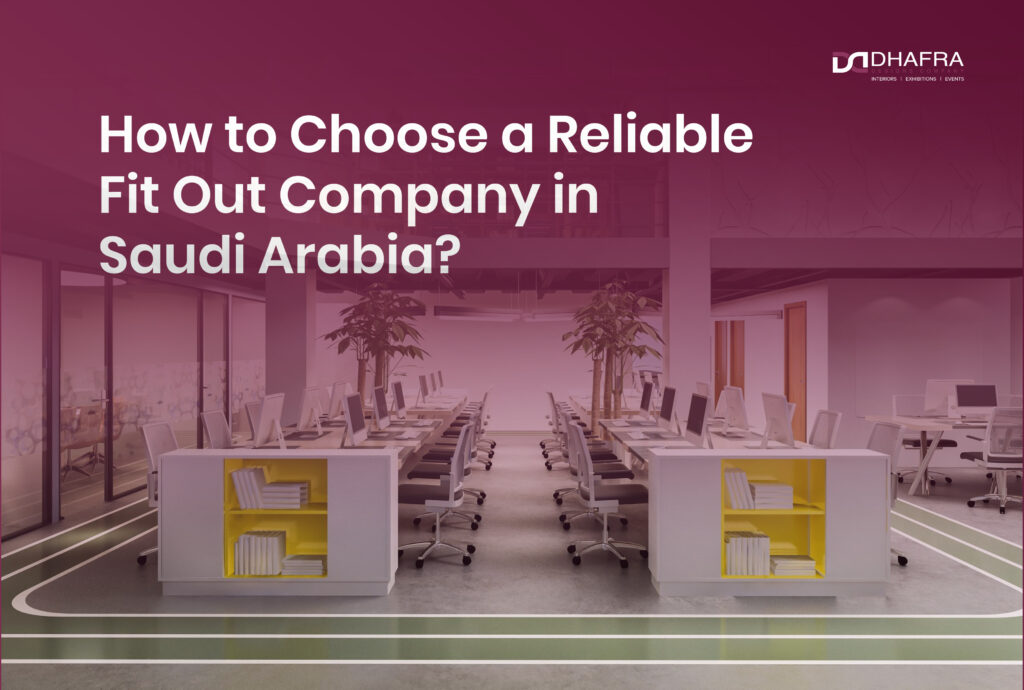
Choosing the right partner for your interior project can determine whether your space becomes a long-term asset or a costly mistake. From corporate offices and retail outlets to hospitality venues and exhibition spaces, selecting a reliable fit-out specialist requires careful evaluation. If you are planning a commercial or large-scale project, this guide will help you understand how to choose a dependable fit-out company in the Kingdom. Saudi Arabia’s rapid development under Vision 2030 has significantly increased demand for high-quality interior contracting. With mega projects in cities like Riyadh and Jeddah, businesses are investing heavily in professional interiors that reflect modern standards and global branding. However, not all contractors deliver the same level of quality, compliance, and reliability. Here’s what to look for before making your decision. 1. Evaluate Experience and Portfolio The first step is reviewing the company’s experience. A reliable contractor should have a proven portfolio covering projects similar to yours—whether it’s corporate offices, retail stores, hospitality venues, healthcare facilities, or exhibition stands. Ask for: Completed project case studies Before-and-after photos Client testimonials References from past projects Experience in the Saudi market is particularly important because local regulations, climate conditions, and material availability differ from other regions. 2. Verify Licensing and Regulatory Compliance In Saudi Arabia, regulatory approvals are critical. A professional contractor must be properly licensed and compliant with government authorities such as the Saudi Conventions and Exhibitions General Authority (for exhibition-related projects) and municipal authorities for commercial interiors. Always confirm: Valid commercial registration Municipality approvals Civil defense compliance Insurance coverage Failure to verify these documents can result in project delays, penalties, or even shutdowns. 3. Assess Design and Technical Capabilities A strong fit-out company should provide both creative design and technical execution. Interior fit-outs are not just about aesthetics; they involve electrical works, HVAC coordination, plumbing adjustments, lighting systems, and structural modifications. Look for a company that offers: 3D design renderings Detailed technical drawings Material selection guidance Value engineering options This ensures that the final space is both visually appealing and technically sound. Organizers are prioritizing: Eco-friendly venue designsDigital ticketing and paperless communicationRecyclable staging materialsEnergy-efficient lighting systemsWaste reduction initiatives Clients increasingly expect environmentally responsible practices, especially for international conferences and corporate events. Sustainable sourcing, local supplier partnerships, and carbon footprint tracking are becoming key differentiators in selecting the best event management saudi arabia. 4. Check Project Management Process One of the biggest reasons projects fail is weak project management. Delays, budget overruns, and miscommunication often stem from poor coordination. Ask about: Project timelines Dedicated project managers Milestone tracking systems On-site supervision Quality control procedures Reliable contractors follow structured workflows and provide regular updates to keep clients informed. 5. Transparency in Budgeting Cost clarity is essential. A trustworthy contractor provides detailed quotations that clearly outline materials, labor, approvals, logistics, and contingency costs. Be cautious of: Extremely low bids Vague cost breakdowns Hidden charges The cheapest offer is rarely the safest option. Instead, focus on value, quality, and long-term durability. 6. Local Market Expertise The Saudi market has specific cultural, architectural, and operational considerations. For example, commercial interiors must often align with brand identity while respecting local norms and regulatory requirements. Companies familiar with local suppliers and authorities can: Source materials faster Navigate permit processes efficiently Reduce project delays Ensure compliance with safety standards This is especially important when working with fit out companies in Riyadh, where demand is high and competition for timelines can be intense. 7. In-House Production vs. Outsourcing Some contractors rely heavily on subcontractors, which can sometimes reduce quality control. While subcontracting is normal in construction, companies with in-house production facilities for carpentry, metalwork, and branding elements often maintain better consistency. Ask whether they: Have their own workshop Control fabrication internally Conduct quality inspections before installation This can significantly improve finishing standards. 8. Review Past Client Feedback Client reviews provide valuable insights into reliability, communication, and after-sales service. Look for feedback regarding: Timely project completion Professional conduct Responsiveness to changes Post-installation support A contractor’s reputation often speaks louder than marketing claims. 9. Sustainability and Material Standards Sustainability is increasingly important in modern Saudi developments. A professional contractor should offer eco-friendly materials, energy-efficient lighting solutions, and sustainable construction practices. Ask about: Use of recyclable materials Energy-saving lighting systems Compliance with green building standards This not only benefits the environment but can also reduce long-term operational costs. 10. After-Sales Support and Maintenance A reliable contractor doesn’t disappear after handover. Post-completion support is crucial for maintenance, adjustments, or warranty claims. Ensure the company provides: Warranty documentation Maintenance support Clear defect liability periods Strong after-sales service reflects long-term commitment to quality. Making the Right Decision With many fit out companies in Saudi Arabia operating across various sectors, choosing the right partner requires careful research and comparison. Focus on experience, compliance, transparency, project management strength, and proven results. If you’re searching for the best fit out contractor in Saudi Arabia, prioritize companies that combine technical expertise with local knowledge and a strong portfolio. Similarly, when evaluating fit out companies in Riyadh, look for those with established supplier networks and a history of delivering projects on time within the capital’s competitive environment. Ultimately, a reliable fit-out partner should act as a strategic collaborator—not just a contractor—ensuring your space reflects your brand, meets regulatory standards, and delivers lasting value. By following these guidelines, you can confidently select a professional fit-out company that turns your vision into reality while minimizing risks and maximizing return on investment. How long does a commercial fit-out project take in Saudi Arabia? Timelines vary depending on project size and approvals. Small offices may take 4–8 weeks, while large commercial spaces can take several months, especially if regulatory approvals are required. Do fit-out companies handle government approvals? Many professional contractors assist with necessary approvals and documentation, but it’s important to confirm this during the initial consultation. What is the difference between a fit-out contractor and an interior designer? An interior designer focuses mainly on aesthetics and space planning, while a fit-out contractor handles construction, technical works, installation, and execution.
Trends Shaping Event Management and Production in Saudi Arabia for 2026
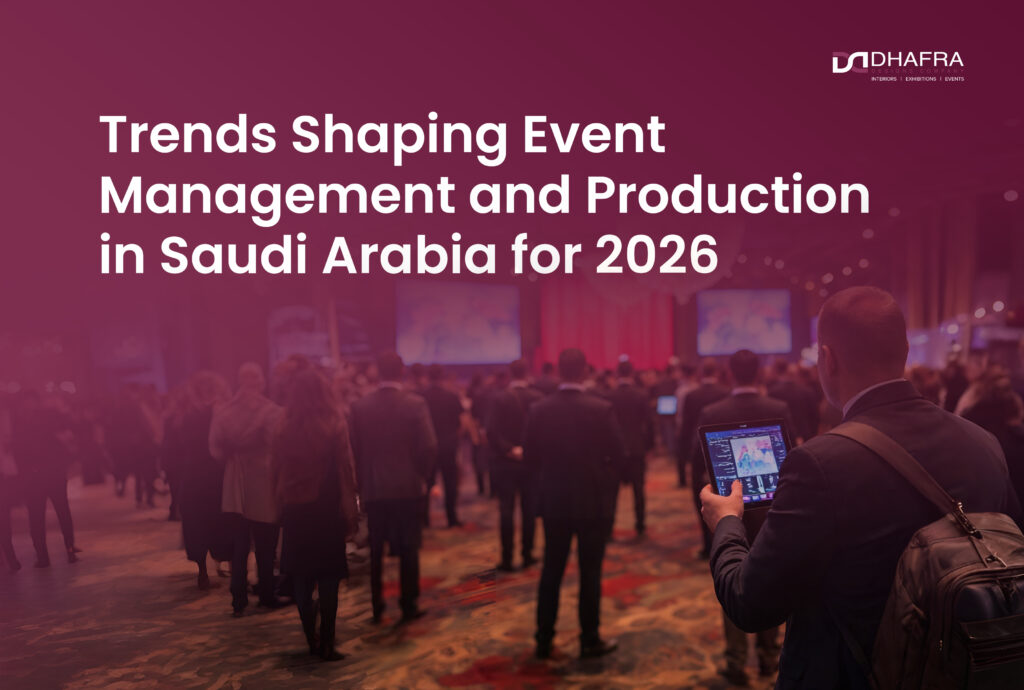
Saudi Arabia’s events industry is entering a transformative phase in 2026. Backed by ambitious national initiatives, growing international partnerships, and a rapidly expanding entertainment sector, the Kingdom is redefining how events are conceptualized, produced, and experienced. From mega expos and global conferences to cultural festivals and corporate gatherings, the focus has shifted toward innovation, sustainability, and immersive audience engagement. As businesses and organizers look to collaborate with professional event management companies in saudi arabia , understanding the trends shaping the industry this year is essential for staying competitive and delivering memorable experiences. 1. Vision-Driven Growth and Mega Events Saudi Arabia’s Vision 2030 continues to fuel unprecedented growth in the events landscape. Government-backed initiatives and giga-projects such as NEOM, Red Sea Project, and Qiddiya are not only reshaping tourism and entertainment but also creating demand for world-class exhibitions, trade shows, and cultural events. In 2026, event production is closely aligned with these large-scale developments. Organizers are expected to deliver high-end, globally competitive experiences that reflect Saudi Arabia’s modern identity while celebrating its cultural heritage. Large venues, hybrid formats, and high production standards are now the norm rather than the exception. 2. Hybrid and Phygital Experiences While in-person events have regained momentum, hybrid formats remain a powerful component of event strategies. In 2026, the focus is on “phygital” experiences — seamlessly blending physical and digital engagement. Advanced live streaming, real-time audience interaction tools, and virtual networking lounges are being integrated into conferences and exhibitions. This approach not only expands reach beyond geographic limitations but also enhances data collection and audience insights. Event production teams are investing in high-quality AV technology, immersive LED setups, and interactive digital installations to create multi-sensory experiences. The goal is simple: ensure that both on-site and remote participants feel equally engaged and valued. 3. Sustainability as a Core Strategy Sustainability is no longer a buzzword; it is a business requirement. In 2026, eco-conscious event planning has become central to production strategies across the Kingdom. Organizers are prioritizing: Eco-friendly venue designsDigital ticketing and paperless communicationRecyclable staging materialsEnergy-efficient lighting systemsWaste reduction initiatives Clients increasingly expect environmentally responsible practices, especially for international conferences and corporate events. Sustainable sourcing, local supplier partnerships, and carbon footprint tracking are becoming key differentiators in selecting the best event management saudi arabia. 4. Technology-Driven Event Production Cutting-edge technology continues to redefine event experiences. Artificial intelligence, augmented reality (AR), and virtual reality (VR) are playing larger roles in 2026 event design. AI-powered tools are being used for: Smart registration and facial recognition check-insPersonalized event agendasPredictive analytics for audience engagementAutomated post-event reporting Meanwhile, AR and VR installations are transforming exhibitions into immersive brand journeys. Attendees can explore 3D product demonstrations, virtual site tours, and interactive storytelling experiences. Drone shows and synchronized lighting displays are also becoming popular alternatives to traditional fireworks, particularly at large public celebrations and national events. 5. Rise of Experiential Marketing Modern audiences seek experiences rather than passive participation. This shift is driving event planners to design immersive, story-driven concepts that evoke emotion and encourage social sharing. Experiential marketing in 2026 often includes: Branded pop-up activationsInteractive art installationsLive performances integrated into corporate launchesMulti-sensory product demonstrations Events are increasingly designed with social media in mind, featuring visually striking elements that encourage attendees to capture and share their experiences online. This organic amplification boosts brand visibility far beyond the event venue. 6. Cultural Integration and Local Identity Saudi Arabia’s rich cultural heritage plays a central role in event themes and production design. In 2026, organizers are blending modern aesthetics with traditional elements to create uniquely Saudi experiences. From incorporating regional architecture and Arabic calligraphy into stage designs to featuring local artists and performers, events are becoming powerful platforms for cultural storytelling. National celebrations, heritage festivals, and business summits alike are embracing authentic Saudi identity while maintaining international standards. This cultural integration also strengthens emotional connections with local audiences and enhances the Kingdom’s image on the global stage. 7. Increased Focus on Corporate and MICE Events The Meetings, Incentives, Conferences, and Exhibitions (MICE) sector continues to expand rapidly. Saudi Arabia is positioning itself as a premier business hub in the Middle East, attracting multinational corporations and global associations. In 2026, corporate events emphasize strategic networking, knowledge exchange, and business matchmaking. Organizers are designing curated networking sessions, AI-powered meeting scheduling tools, and exclusive VIP experiences to enhance value for participants. Purpose-built convention centers and upgraded hospitality infrastructure across Riyadh, Jeddah, and other key cities are supporting this growth, enabling large-scale international conferences to be hosted seamlessly. 8. Talent Development and Saudization As the industry grows, so does the demand for skilled professionals in event planning, technical production, stage design, and logistics management. In line with national workforce initiatives, 2026 sees increased investment in training programs and local talent development. Event companies are collaborating with educational institutions and international experts to upskill Saudi professionals. This ensures sustainable industry growth while building a strong domestic talent pipeline. 9. Data-Driven Decision Making Data analytics has become an indispensable tool in event management. Organizers are leveraging real-time feedback, attendee behavior tracking, and performance metrics to refine event strategies. From analyzing footfall patterns at exhibitions to measuring engagement rates during keynote sessions, data allows planners to optimize layouts, improve content programming, and maximize return on investment for clients. Post-event reports are now more comprehensive, providing detailed insights into audience demographics, engagement levels, and sponsorship impact. The event management and production landscape in Saudi Arabia for 2026 is defined by innovation, sustainability, and immersive engagement. With mega projects shaping the national narrative, advanced technologies enhancing audience experiences, and cultural authenticity adding depth to every gathering, the Kingdom is emerging as a global leader in event excellence. As expectations continue to rise, event professionals must adapt to evolving trends, integrate advanced tools, and maintain a strong commitment to quality and creativity. The future of events in Saudi Arabia is not just about hosting gatherings — it’s about crafting transformative experiences that leave a lasting impact on attendees and the nation’s global reputation alike. FAQS How